Independent product company · Yerevan · Startups · Apps · Developer tools

Independent product company · Armenia

Quietly building intelligent products for people.

Moon Labs is a product company in Yerevan, Armenia. We build focused startups, AI products, apps and developer tools—including GlowAI and DockTerm—from idea through launch.

Explore the work
3 of 4Shipped
2024Founded
--:--UTC+4Yerevan
Within 48hReplies

Selected work

Three live. One in progress.

LIVE
DockTerm — munu, the notch mascot

CLAUDE CODE · DESKTOP

DockTerm

DockTerm is a terminal-first desktop home for Claude Code, with a notch mascot that surfaces permission prompts over fullscreen apps.

See it
Խաղա՞նք (Xaxanq) app icon — the offline Armenian party-game collection

PARTY GAMES · OFFLINE

Խաղա՞նք

Խաղա՞նք is five offline party games (Spy, Mafia, Explain It, Who Am I? and a Blot score sheet) with 787 words in three languages.

Coming soon

The maker

Menua Vardanyan, founder of Moon Labs and developer of the GlowAI face scan app
“I build small, careful software.”
Menua Vardanyan, founder
About the maker

What we believe

  • 01We build things we’d actually use.

    Every Moon Labs product started as a tool its author wanted and could not buy, which is why there are four of them and not forty.

  • 02We measure before we recommend.

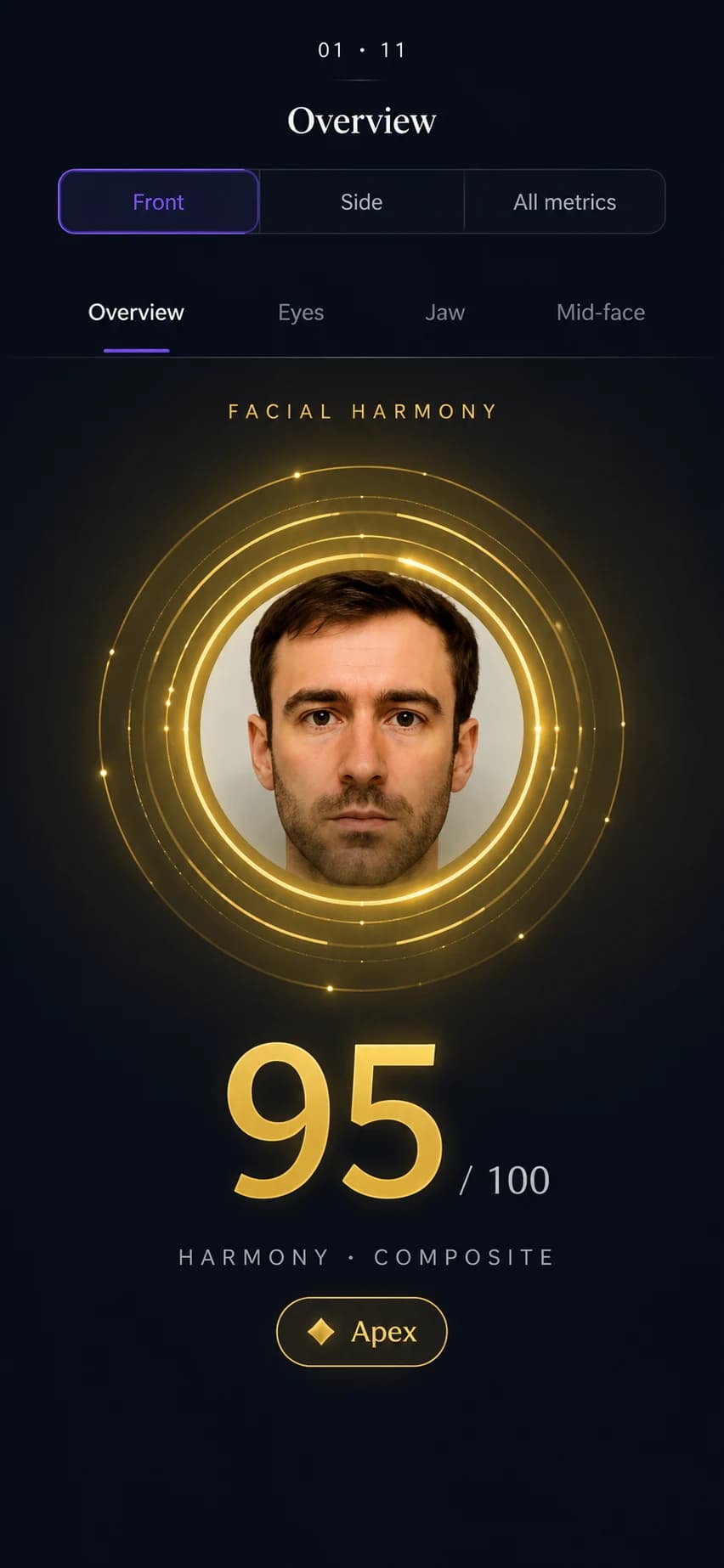
    GlowAI scores a face against published anthropometric ranges. The score is not an AI opinion — the same photo always returns the same numbers.

  • 03We don’t ship features we haven’t lived with.

    Each feature lives in the founder’s own daily use for weeks before it reaches a store build, the slowest honest way to test one.

Common questions

The short answers.

What is Moon Labs?

Moon Labs is an independent product company in Yerevan, Armenia, founded in 2024. It builds startups, AI products, apps and developer tools, including GlowAI and DockTerm.

Who is behind Moon Labs?

Moon Labs is run by one person: Menua Vardanyan, founder and sole developer. He writes the code, designs the icons and answers every support email. Menua Vardanyan on LinkedIn

What apps has Moon Labs made?

Moon Labs has shipped three apps: GlowAI, a facial-measurement app; DockTerm, a desktop home for Claude Code; and Only Jump Up!, a 3D parkour game. GlowAI on the App Store

How does GlowAI’s face scan work?

GlowAI is deterministic: two photos yield 468 facial landmarks and 75 geometric metrics scored against published anthropometric ranges. The published ranges, source by source

Is GlowAI free?

GlowAI is free to start: the first scan, harmony score and a guided look at your top three fixable measurements cost nothing. Coach memory and routine planning are paid.

Where is Moon Labs based?

Yerevan, Armenia. Moon Labs has been shipping software from there since 2024.

How do I contact Moon Labs?

Email munetic.studio@gmail.com. Every message is read by the founder, and replies usually come within 48 hours.

References

What backs the claims on this page.

Store listings for what’s shipped, and the published anthropometric literature GlowAI’s measurement ranges are built on.

  1. GlowAI on the App Store — Moon Labs, apps.apple.com (opens in a new tab)

    Apple’s listing for GlowAI, showing the developer name, the platform requirement and the release history.

  2. Only Jump Up! 3D Parkour on Google Play — Moon Labs, play.google.com (opens in a new tab)

    Google’s listing for the parkour game, showing the developer name, the content rating and the update history.

  3. Farkas LG. Anthropometry of the Head and Face. 2nd ed. Raven Press, 1994. (opens in a new tab)

    The reference dataset for human craniofacial measurement — the source of most normative ranges in use today.

  4. Powell N, Humphreys B. Proportions of the Aesthetic Face. Thieme-Stratton, 1984. (opens in a new tab)

    Defines the profile angles — nasofrontal, nasofacial, nasomental, mentocervical — used in the side-profile analysis.

  5. Naini FB. Facial Aesthetics: Concepts and Clinical Diagnosis. Wiley-Blackwell, 2011. (opens in a new tab)

    Modern synthesis of facial proportion assessment, and the source for several vertical-thirds and horizontal-fifths ranges.

  6. Sarver DM. Esthetic Orthodontics and Orthognathic Surgery. Mosby, 1998. (opens in a new tab)

    Soft-tissue analysis — lip projection, smile arc and incisor display.

  7. Mommaerts MY, et al. Published work on facial proportion and orthognathic planning. (opens in a new tab)

    Contemporary maxillofacial ranges, including midface and chin projection.

Say hi

munetic.studio@gmail.com

Reply within 48 hours.